

“Clean schools grow healthy minds.”
That short line rings true in every hallway. Yet many people still believe a quick sweep is enough. However, germs hide in many other places, harming learning and health. Because of that, schools need a full-scale School janitorial plan, not just brooms and dustpans. Let’s explore why.
1. A World We Can’t See
Sweeping lifts dust you can spot but leaves behind what you can’t. For instance, bacteria sit on desks, tablets, and pencil sharpeners. Moreover, each child touches about 300 surfaces every half hour. Those tiny invaders spread coughs, colds, and stomach bugs. Therefore, a simple sweep fails to stop sickness before it starts.
Fact: The EPA notes that indoor air can hold two to five times more pollutants than outdoor air. Kids breathe that air for nearly seven hours a day.
2. Sick Days Cost More Than You Think
Every missed class sets learning back. In addition, parents lose work hours, and teachers reteach lessons. One study showed that 22 million school days vanish yearly because of the common cold alone. So, a deeper clean saves both money and grades.
“An extra dollar in cleaning can save many dollars in lost time.” – School Facilities Journal.
3. High-Touch Hotspots Need Daily Care
No spot gathers germs faster than a shared object. Consequently, custodians must disinfect these places every day:
- Computer keys and mice
- Door handles
- Light switches
- Cafeteria trays
- Locker vents
Because students tap and grab nonstop, a simple wipe is not enough. Instead, use a kid-safe disinfectant and let it sit for the full duration, usually one minute. Afterward, surfaces shine and germs drop.
4. Floors Carry More Than Dirt
A broom skims the top of tile, wood, or carpet. Yet, germs, pollen, and mold hide deep in fibers and grout. Therefore, schools should:
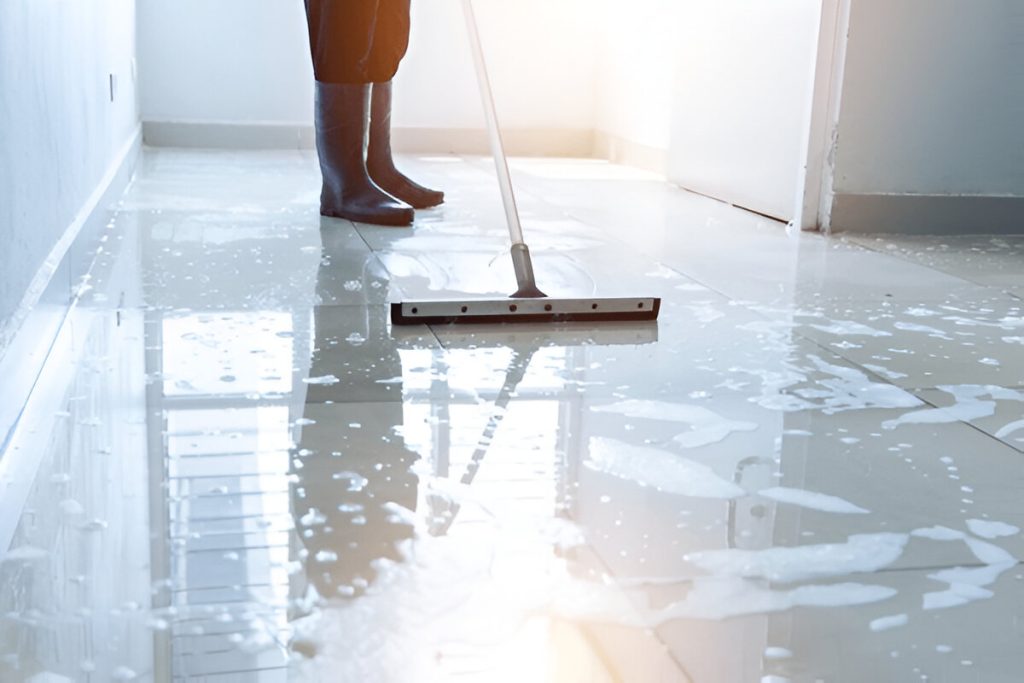
- Wet-mop with disinfectant every day.
- Vacuum carpets with HEPA filters each afternoon.
- Steam-extract carpets every week.
- Auto-scrub gyms once a month for safe traction.
Because these steps pull allergens out, asthma attacks fall, and classrooms smell fresh.
5. Restrooms: Germ Ground Zero
Restrooms spread bugs faster than any other room. Thus, tight routines matter:
- Clean bowls and sinks every shift.
- Disinfect stall doors from top to bottom.
- Refill the soap before levels drop.
- Swap mop heads between rooms to stop cross-contamination.
Besides, adding air-fresh units and proper vents keeps odors and complaints away.
6. Air Quality Shapes Attention
Clean floors help, but stale air still spreads colds. Because many schools run old HVAC units, filters clog fast. So, change high-MERV filters on schedule and open windows when weather allows. Then, fresh oxygen boosts focus and lowers drowsiness.
7. Green Products Protect Young Lungs
Bleach fumes may kill germs, yet they also trigger headaches. Hence, school janitors choose eco-certified cleaners:
- They break down fast in water.
- They cut down asthma flare-ups.
- They meet state safety codes.
Therefore, teachers feel better, and parents worry less.
8. Training Makes the Difference
A good shine is not luck. Instead, it comes from trained teams because staff learn color-coded rags, correct dwell times, and cross-contamination drops. Also, proper lifting and chemical handling lower injuries. Finally, a clear checklist ensures no spot is missed.
9. Professional Support Beats In-House Limits
Custodial crews handle day-to-day messes well. However, some jobs need more muscle:
- Electrostatic spraying after flu outbreaks
- Cafeteria hood degreasing
- Gym floor refinishing
- Summer deep-clean blitzes
A school-janitorial partner brings gear, backup staff, and proof of work logs. Consequently, administrators hit health codes without stretching budgets thin.
10. Quick-View Cleaning Guide
| School Area | Daily Tasks | Weekly Tasks | Monthly Tasks |
| Classrooms | Sweep, spot-mop, wipe desks | Vacuum carpets, disinfect chairs | Wash walls & blinds |
| Restrooms | Sanitize bowls, sinks, stalls | Scrub grout, polish mirrors | Descale floors & partitions |
| Cafeteria | Clean tables, sweep, spot-mop | Steam-clean serving lines | Strip & wax floor |
| Hallways | Dust-mop, spot-mop | Burnish finish for shine | Recoat floor finish |
| Gymnasium | Dry-mop and remove spills | Auto-scrub surface | Refinish wood floor |
Because teams follow this chart, no space falls behind, and budgets stay on track.
11. The Culture of Clean Starts with Everyone
Janitors do the heavy lifting, yet students and staff help, too. For example, teachers can:
- Ask kids to wipe desks before lunch.
- Remind them of proper hand-washing.
- Report spills right away.
In addition, posting bright “Hand-Wash” signs near sinks keeps healthy habits at the forefront of my mind. Therefore, the whole school owns the clean culture.
12. What Happens When Deep Cleaning Is Ignored
Skipping deep tasks may seem to save time. Yet, hidden costs rise later:
- More nurse visits mean lost class minutes.
- Mold growth forces costly wall repairs.
- Parent trust dips, and enrollment can fall.
- Health inspectors may fine the district.
So, planned care always beats crisis fixes.
13. Building a Smart Cleaning Checklist
A strong list keeps every duty clear:
- List each room and task.
- Add frequency: daily, weekly, or monthly.
- Assign owners by name or crew shift.
- Include space for date and initials.
- Review lists at weekly staff huddles.
Because the list is on paper and tablets, leaders can track progress quickly, and new hires learn jobs quicker.
14. Tech Tools Boost Results
Today, janitorial apps map rooms and track supply use. Thus, managers know when to restock or reschedule. Also, auto-scrubbers with HEPA vacuums clean vast halls in half the time. Consequently, savings roll back to classrooms for books and art supplies.
15. Healthier Schools, Higher Scores
Studies link clean spaces to sharper focus and fewer absences. Therefore, when germs fall, grades climb. Parents spread the good word, and staff morale rises. Ultimately, a clean campus proves the district values every child’s success.
16. Conclusion: Act Now for Safer Schools
Sweeping floors is only the first step. Because germs hide everywhere, schools need a complete plan that covers air, restrooms, carpets, and high-touch spots. So, make deep cleaning part of your learning strategy. Ready to raise your standard? Call Reliable Janitorial NY today and build a healthier future for every student.
