

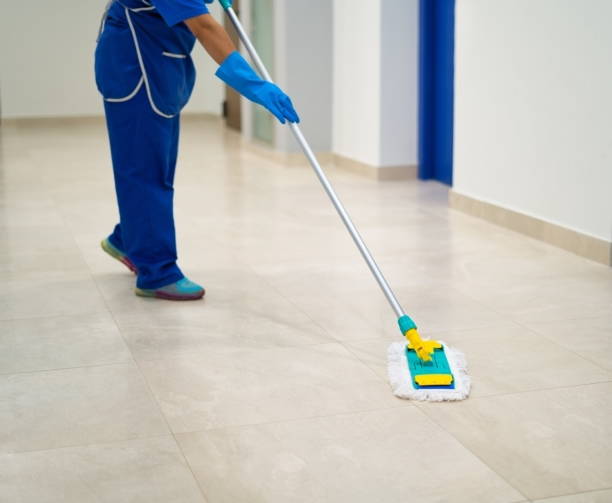
Your office can look fine and still hide germs. That’s because dust, skin oils, and tiny splashes build up in places you don’t always notice. However, patients and staff notice the results: odd smells, sticky spots, and more sick days. A deep clean fixes what daily wipe-downs miss. It also helps your team feel proud of the space again. If you run a busy clinic, it’s easy to fall behind. Therefore, knowing the signs matters. In this blog, you’ll learn seven clear red flags and simple ways to respond before small issues become big problems. To hire healthcare janitorial services in Johnstown NY, some offices call Reliable Janitorial when the little stuff becomes a weekly complaint. In fact, that’s often the best time to act.
Sign #1: When Healthcare Janitorial Services Feel Routine, But Grime Keeps Returning
You wipe and mop, yet the same marks show up the next day. That’s a clue the dirt is deeper than it looks. Healthcare janitorial services in Johnstown, NY, should break the cycle, not repeat it. However, look for stains near doors, corners, and chair legs. Those spots catch soil and get skipped during quick passes.
Because the mess keeps coming back, your staff may start using stronger sprays in a rush. That can create harsh smells and missed steps. As a result, you may need a reset clean that reaches edges, baseboards, and touchpoints before daily work can truly hold.
Sign #2: Dust Shows Up Faster Than Your Team Can Keep Up
If you see gray lines on vents or shelves, pay attention. Dust and allergen buildup can spread each time the HVAC runs. However, dust is not just gross. It can bother sensitive patients and trigger coughs. Because it settles on many items, it also makes surfaces harder to disinfect well later.
Try this quick check after a normal day:
- Wipe the top of a door frame with a white tissue
- Check behind monitors and printers
- Look at the edges of window sills
If the tissue turns dark, a deep clean is overdue.
Sign #3: Your Front Area Looks Tired, Even After You Tidy
The lobby sets the mood. When patient waiting areas look dingy, people worry about what they can’t see. However, waiting rooms take a beating. Shoes track in grit, and chairs collect skin oils and crumbs. Because the space stays busy, small spills often get a quick wipe only. Over time, that leaves a dull film.
One real-life example: a parent may watch a toddler touch a sticky armrest. Then they grab hand gel and look uneasy. That moment can hurt trust, even if care is great.
Sign #4: Exam Spaces Have Clean Enough Corners
A room can pass a quick glance and still fail a closer look. Exam room cleaning must hit corners, rails, stools, and wall marks. However, exam rooms have many tools and tight spaces. That makes it easy to miss detail work. Because the staff of healthcare janitorial services in Johnstown, NY, move fast, they may clean what’s obvious and skip what’s low or hidden. Here’s a simple table to spot what routine cleaning often misses:
| Area to Check | What You Might See | Why It Matters | Quick Fix |
| Door edges | Finger smears | Spreads germs | Detail wipe |
| Chair bases | Dust rings | Tracks to floors | Vacuum/brush |
| Light switches | Sticky film | High contact | Disinfect |
| Supply carts | Grime lines | Cross-touching | Deep scrub |
Sign #5: Restrooms Smell Cleaned, Not Clean
Strong scent is not the same as safe. Restroom sanitation should remove soil, not cover it. However, odors often come from hidden splash zones and buildup under rims. Because restrooms get heavy traffic, quick wipe-downs can miss grout lines and fixture seams.
Use this simple habit check:
- Are fixtures shiny, or just wet?
- Do corners feel gritty when dry?
- Do paper and soap areas look smudged?
If you keep answering “yes,” you likely need deeper work than your normal schedule.
Sign #6: Staff Illness and Complaints Seem to Rise at the Same Time
When colds move through the team, cleaning may not be the only cause. Still, it can be a big factor. Infection control depends on steady, careful cleaning habits. However, busy clinics have many shared items and fast handoffs. Because of that pace, it helps to tighten the process and train for consistency. Reliable Janitorial often builds a plan that supports your staff’s flow, so the cleaning lasts longer.
One more clue: If you hear “My desk feels dusty” or “The break room smells” every week, it’s time to reset the space.
Sign #7: Your Disinfected Rooms Still Have Risky Touchpoints
When quick wipe-downs leave smears behind, germs can linger. Medical office cleaning should reach the spots people touch all day, not only the easy areas. However, it helps to name the problem spots first, then clean with purpose. Because hands move fast in a clinic, high-touch surfaces like handles and buttons need extra attention. That is why cross-contamination prevention matters. You want tools and clothes to move in one direction, not bounce between zones.
If you’re comparing providers, ask how they train for a true reset with healthcare janitorial services in Johnstown, NY. Also, many clinics schedule a deeper reset right before the busy season.
What Deep Clean Really Means in a Healthcare Space
A deep clean is more than extra mopping. Deep cleaning services focus on detailed work that daily routines miss. However, the products and steps matter as much as the effort.
Because disinfecting works best on clean surfaces, medical-grade disinfection comes after soil removal, not before. For safety and consistency, many teams rely on EPA-approved disinfectants and clear dwell-time steps. If there’s any risk of fluids or waste, follow biohazard cleaning protocols and keep disposal rules strict.
One real-life example: a spilled sample in a hallway can spread on shoes. As a result, one missed step can reach several rooms. To keep things steady, ask for a professional cleaning checklist you can review.
Simple Ways to Keep the Space Safer Between Deep Cleans
After a reset, good habits help the clean last. Healthcare facility cleaning works best when the plan matches your traffic patterns and your busiest hours. However, rules are not just paperwork. Healthcare cleaning standards guide what gets cleaned, how often, and with what tools.
Because staff safety matters, confirm OSHA compliance so cleaners handle chemicals, ladders, and waste the right way. Also, privacy is key. HIPAA-sensitive cleaning practices help protect charts, screens, and patient details during service. If the office feels stale, improving indoor air quality can help the whole place feel lighter.
Try these simple steps after-hours:
- Replace worn mop heads and cloths
- Store chemicals away from public areas
- Log touchpoint checks in a daily binder
In many offices, commercial cleaning services keep these routines consistent. Many managers start by reviewing healthcare janitorial services options and choosing the team that explains the steps clearly. A safer office starts with clear steps and steady follow-through. Reliable Janitorial can build a plan around your rooms, hours, and traffic. Reliable Janitorial also helps you keep results consistent after the reset. Call today to schedule a walk-through and get a straightforward quote.
FAQs
What should we do before the cleaners arrive?
Clear floors, label “do not touch” items, and store personal belongings. Because access speeds work, open key areas so cleaners can reach edges and corners.
How can we tell if disinfecting was done correctly?
Surfaces should look clean first, not streaky. Also, ask about product dwell time. Therefore, the disinfectant can work fully before anyone touches the area again.
Will a deep clean remove odors for good?
Often, yes, if the smell comes from buildup. However, vents and hidden corners may need extra detail. As a result, odor control improves after thorough soil removal.
How do we avoid problems between service visits?
Use a simple daily log, restock supplies, and spot-check common touchpoints. In fact, small checks prevent bigger messes and help the space stay fresh longer.
