

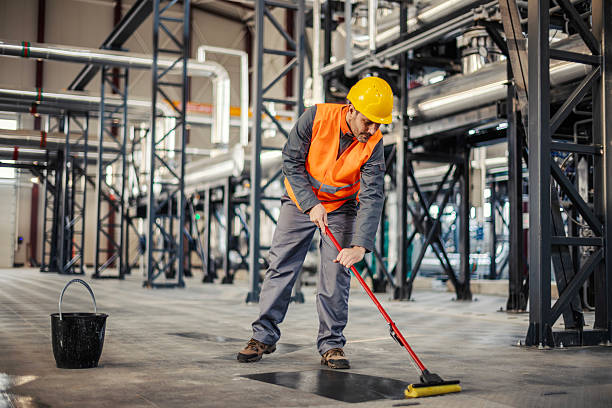
Slip risks feel small until someone hits the floor. In a busy plant or warehouse, one wet spot can turn into a painful injury. Then work slows down, and stress goes up. The good news is that clean floors are safer floors. Smart cleaning also helps people notice danger sooner. That is where industrial complexes janitorial services in Rensselaer, NY, can make a real difference. However, it is not only about mopping. It is about planning, fast response, and steady habits. As a result, teams walk with more confidence. And managers spend less time dealing with reports and downtime.
Why Slips Happen So Often
Many sites have long walkways and tight corners. In fact, industrial complexes often have mixed surfaces, like concrete, tile, and coated floors. These spots change how shoes grip. However, dirt and moisture move fast when forklifts and carts roll by.
Even small drips can spread. Therefore, a simple tracked-in puddle can become a wide slick path. Because slips start in seconds, quick action matters more than people think. A worker may carry parts with both hands. As a result, they may not see a shiny wet patch until it is too late. That is why routine checks help.
Clean Teams Lower the Risk Before It Shows Up
A strong cleaning plan supports workplace safety every day. Instead of waiting for a big mess, cleaners look for early signs. However, the best results come from steady timing and clear tasks. That is where janitorial services help because they keep work areas consistent. Reliable Janitorial can also plan service around shift changes, which reduces disruptions. When teams follow a set approach, they catch grime in corners and residue near machines. Therefore, fewer slick spots form in the first place.
Here are a few simple wins:
- Keep walking lanes dry during peak movement
- Check entrances right after the weather changes
- Clean corners where dust builds up
Fast Spill Response Stops Chain-Reaction Falls
One late cleanup can lead to a second accident. Therefore, spill cleanup should happen right away, even if the spill looks small. However, speed alone is not enough. The surface still needs the right method. Some liquids leave a film. As a result, the floor stays slick even after it looks dry. This is why commercial cleaning plans should include the right products for each zone.
For example, a small oil drip near a loading dock can spread under shoes. Then it gets tracked into break areas. That is how one spot becomes a building-wide problem. Many sites use industrial complexes janitorial services in Rensselaer, NY, to set rapid-response steps for common spills.
Floors Need the Right Care, Not Just A Quick Mop
If floors stay dull or greasy, shoes slide more easily. That is why floor maintenance must match the type of work done in each area. However, the same method will not fit every surface. A dusty aisle needs a different approach than a greasy bay. Therefore, degreasing services can be a key step near machines and docks. Floor polishing can also help in office corridors where people walk all day.
| Area | Common slip causes | Best quick fix |
| Entry doors | Water tracked inside | Extra drying passes |
| Break room | Drink spills | Spot clean right away |
| Dock lanes | Oil/grease film | Targeted scrub |
| Restrooms | Water near sinks | Dry + recheck |
Manage Wet Entry Zones Before They Spread
Rain and snow create wet floor hazards quickly. However, the problem often starts at the door. Good entrance matting catches water before it reaches the aisle. Therefore, fewer drips travel deeper inside. A quick walk-through helps.
Because people rush in, they rarely wipe their shoes well. Clear safety protocols guide what to do when floors look slick. As a result, everyone responds the same way. Workers also need reminders. In fact, habits protect employee safety more than posters do. Think about a Monday morning shift. However, one soaked boot trail can surprise the next person. Small steps add up. Therefore, dry entry lanes stay safer all day.
Build a Cleaning Rhythm That Fits Real Work
Smart cleaning schedules match your busiest hours. However, they also leave space for sudden messes. The right custodial staff knows the site layout. Therefore, they check problem spots without being told. Tools matter because worn mops smear residue. Better cleaning equipment removes it instead. Managers should keep tasks simple. In fact, short checklists get done more often.
Here is a practical approach that works:
- Inspect entrances after weather changes
- Recheck aisles near docks mid-shift
- Log repeat spill zones for follow-up
Consistent preventive cleaning lowers surprises. As a result, floors stay steady instead of being risky. If you want local help, Reliable Janitorial can build a plan around your shifts. However, the goal stays the same: fewer slip triggers.
Improve Traction Where People Walk the Most
Some areas need more grip. Adding non-slip flooring in key lanes helps a lot. However, even strong surfaces fail when grime builds up. Therefore, targeted commercial floor cleaning keeps traction working. Daily habits matter too. Simple floor care stops dust from turning into a slick film. Walk paths deserve extra focus. In fact, small changes can lead to big hazard reduction.
A real-life example: a packing line may look clean. However, tape bits and powder can hide in the shine. When traction stays strong, workers move faster. As a result, they also feel less stress. Keep notes on trouble lanes. Therefore, you fix patterns instead of repeating the same cleanup.
Focus on High-Risk Zones Like Restrooms and Docks
Water near sinks makes restroom sanitation more than a comfort issue. However, it can also be a slip trigger. Busy storage lanes need attention, too. Regular warehouse cleaning keeps dust from sliding under shoes. Large sites benefit from planned industrial facility cleaning because it covers wide areas in a consistent way.
Even with good habits, slips can happen. Therefore, tracking workplace accidents helps you see where risk repeats. Many managers choose industrial complexes janitorial services in Rensselaer, NY, for steady coverage. As a result, they get fewer surprise slick spots. Use short check-ins after breaks. However, keep them quick, so teams stay on task.
Take Action with Reliable Janitorial to Cut Slip Risks
Strong slip and fall prevention starts with routines, not luck. However, routines need support. Staying aligned with OSHA compliance helps you avoid fines and injuries. Therefore, it also protects morale. A good plan links cleaning with facility maintenance so leaks and worn surfaces get fixed sooner.
Deep industrial cleaning also matters because hidden residue can act like ice. As a result, traction drops without warning. Reliable Janitorial can help you build simple steps that teams will follow. However, the plan should feel realistic, not fancy. If you want safer floors this month, call us and ask for a site walk-through. Therefore, you will know the top risk spots fast. Start now, because one slip can change someone’s day.
FAQs
How fast should a spill get cleaned up?
Clean it right away. Even a small drip can spread. Act quickly, place a warning sign, and recheck the spot after the first pass.
What should managers track to find repeat slip risks?
Track where issues happen, what caused them, and when they occur. Patterns show you the true trouble zones, so fixes become easier.
How do I know if my cleaning plan is working?
Look for fewer near-misses, fewer reports, and cleaner walkways during busy hours. Also, ask workers what spots still feel slick or risky.
