

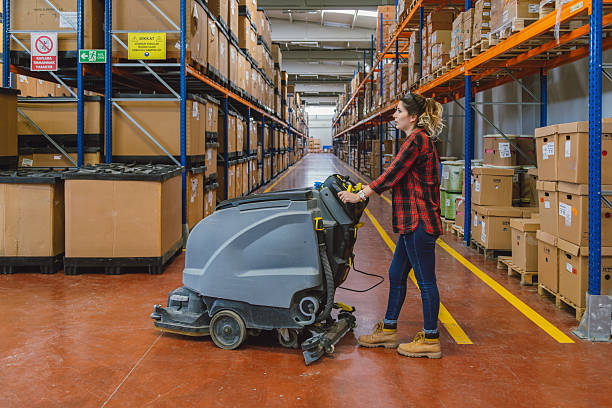
Most plants and warehouses get messy fast. A few muddy boots, a leaking pallet, and dust from parts can pile up in hours. That is why daily habits matter more than rare deep cleans. With industrial complexes janitorial services in Rensselaer, NY, you can keep every zone safer and easier to run. Industrial janitorial services also help protect tools, floors, and products from dirt and grime. However, daily cleaning should not mean random wiping. You need a simple plan that fits your shifts, traffic, and risks. Let’s walk through easy steps that keep your site cleaner every day.
Industrial Complexes Janitorial Services: Start with a Daily Map
A cleaner site starts with a clear map of what gets cleaned, where, and when. Commercial cleaning services work best when each area has an owner and a check step. Because crews move fast, simple labels and routes help a lot.
Use a quick top-to-bottom flow for each zone. Also, keep tasks short so they get done during busy shifts. For example, wipe touch points at changeover, then do floors at the end of the shift.
- Mark hot spots like doors, docks, and time clocks
- Post a simple checklist at each zone
- Set a 5-minute reset at shift change
Build a Routine That Matches Your Shifts
A plan should fit your real workday, not an ideal one. A strong daily cleaning schedule breaks tasks into small wins across the day. Therefore, you stop messes early instead of chasing them later.
Add micro-cleans where spills happen most. Then save longer tasks for slower windows, like after shipping cuts down. If you run two shifts, split duties so the second shift is not stuck with everything. To keep germs down, schedule disinfection services on high-touch points daily, not weekly. In fact, that one change often reduces sick days during peak season.
Control Traffic, Entry Dirt, and Fast Spills
The fastest way to lose control is to ignore the paths people and machines use most. High-traffic facility cleaning targets those lanes first, so dirt does not spread into clean zones. However, you also need fast spill response, or one small leak turns into a skating rink. Set spill kits where forklifts load and unload. The train leads to a call for help the moment they spot oil or coolant.
A real example: one site kept slipping near a dock plate until they added a 2-minute end-of-load wipe-down. Accidents dropped right away. Also, keep trash removal timed to your busiest breaks, so bins do not overflow. Industrial complexes janitorial services in Rensselaer, NY can also add quick spot checks during the day to catch problems early.
Make Floors Easier to Clean, Not Harder to Clean
Floors take the most abuse. They also show dirt first. Smart industrial floor cleaning starts with prevention, like mats, squeegees, and “no box on the floor” rules. As a result, you spend less time fighting stuck-on grime.
Choose one lane for pallets and one for people when possible. Then you reduce scuffs and tracked dirt. Keep a simple end-of-shift sweep for each zone lead. When buildup appears, use floor scrubbing on a set cycle, so grime never hardens. However, do not wait until you can see black marks everywhere. That is when cleaning costs jump and slip risk rises.
| Need | Quick Daily Action | Deeper Weekly Action | Best Result |
| Dust and grit | Sweep key lanes | Detailed edge work | Fewer scuffs |
| Wet spots | Spot dry and mark | Drain and check | Less slipping |
| Track marks | Wipe high lanes | Machine clean lanes | Cleaner look |
| Stains | Fast blot and rinse | Target treatment | Longer floor life |
Cut Grease, Oil, and Sticky Residue Before It Spreads
Grease and oil can move from one station to the next on shoes and wheels. So, you need a catch-it-early plan. Degreasing services work best when you treat problem zones often, not once in a while. Because residue gets harder each day, early action saves time.
Use clear rules for where oily parts can sit. Also, place absorbent pads under common drip points. A small change like that can protect a whole aisle.
- Keep absorbent materials stocked near lines
- Clean drip points at set times
- Tag repeat spill areas for extra checks
To reduce airborne mess, pair it with dust control by cleaning ledges, vents, and rafters on a rotating schedule.
Keep Production Areas Clean Without Slowing Output
A good plan respects production. Manufacturing facility cleaning should support work, not interrupt it. Therefore, focus on short tasks that fit between runs, like wiping controls and clearing debris from corners. Use color-coded tools for each area, so you do not drag grime into clean spaces. Also, store supplies near where they get used. That way, staff do not waste time walking across the building.
For bigger resets, schedule factory cleaning services around planned downtime. However, don’t wait for shutdown season to handle buildup on walls and behind equipment. A quick weekly rotation can keep those hidden zones under control. Add safety compliance cleaning checks to the same routine, so hazards get spotted and fixed fast.
Don’t Forget Offices, Storage, and Hidden Spaces
Industrial sites often focus on the plant floor and forget the support areas. Yet those spaces affect morale and order. Warehouse cleaning should include racks, corners, staging zones, and wrap stations, since clutter attracts dust and slows picks.
Keep a simple rule: clear floors at the end of each shift. Then cleaning stays quick and safe. In fact, a tidy staging area reduces trip hazards during rush loads.
Also, include office cleaning for industrial sites so front desks, meeting rooms, and locker hallways stay presentable for visitors and inspectors. When needs differ by building, use customized cleaning plans so each zone gets the right time, tools, and frequency.
Keep Restrooms and Break Areas Fresh
Clean shared spaces shape how people feel at work. Strong workplace sanitation starts with touch points, odors, and supplies. Therefore, build a simple refill-and-check process, not a “hope it’s fine” approach. Put a log sheet on the inside of each restroom door so staff can see the last check time. A real example: one site stopped constant complaints after a mid-shift supply check and a quick wipe of door handles. Prioritize restroom cleaning and sanitizing at least once per shift in busy sites. Right after breaks, do breakroom cleaning to stop crumbs and spills from building up. Experts from industrial complexes janitorial services in Rensselaer, NY can also help you set check times that match traffic peaks.
Keep Daily Clean Habits from Slipping
Some teams add quick “end-of-day wins” that take five minutes or less. For example, return tools, toss scrap, and reset bins. As a result, the next shift starts strong and calm. One more tip: keep feedback simple and steady. Ask leads one question each week: “What area got messy first?” Then adjust the plan little by little. After you build these habits, the site feels different. People walk with more confidence, and visitors notice order fast. However, daily cleanliness still takes consistency, so stick to checklists, clear roles, and quick resets that fit your real workflow.
Get a Cleaner, Safer Daily Standard with Reliable Janitorial
If you want a daily plan that fits your shifts and keeps your facility ready for work, reach out to Reliable Janitorial today and ask for a practical cleaning program built around your busiest zones. You’ll get clear checklists, steady staffing, and cleaning that supports safety. Because every site runs differently, the plan can match your traffic, risks, and production hours. Call or request a quote and start seeing cleaner floors, fresher restrooms, and smoother daily operations.
FAQs:
How do I get employees to follow daily cleaning rules?
Keep tasks short and clear. Assign one owner per zone. Post checklists at eye level. Praise teams when areas stay neat, and fix problems fast.
What should be cleaned first during a busy shift?
Start with spill risks and touch points. Next, clear clutter from walkways. Then handle obvious trash and quick spot wipes that stop the spread.
How can we reduce dust without stopping work?
Clean high ledges on a rotation. Use closed bins and covers where possible. Place mats at entries. Also, plan quick wipes during changeovers.
How often should floors get a deeper clean?
Many sites do it weekly or biweekly. The right timing depends on traffic and spills. Track marks and slip reports, then adjust the frequency.
What’s the easiest way to keep restrooms from getting gross?
Add a mid-shift supply check. Wipe touch points often. Empty bins before they overflow. Use a simple sign-off sheet to confirm checks happened.
