

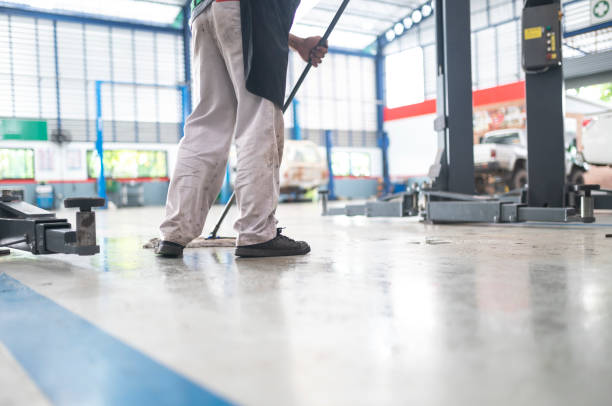
Warehouses move fast. People walk, lift, scan, push carts, and drive forklifts all day. So, one small spill can turn into a big problem. A wet patch near a dock door, a dusty aisle, or a loose wrap on the floor can cause a painful fall in seconds. That means lost time, stress, and possible injuries for workers and visitors alike.
This is where warehouse cleaning services in New York can make a real difference. Good cleaning does more than make a space look neat. It helps remove risks before someone gets hurt. For you, that means fewer accidents, smoother workdays, and more peace of mind. Let’s look at how smart cleaning helps stop slip hazards before they start.
Why Warehouse Cleaning Services in New York Matter for Safety
A warehouse floor takes a beating every day. Forklift tires bring in water. Boxes shed dust. Stretch wrap tears. Pallets break. Then, oil, grease, and dirt build up fast. Because of that, slip risks can appear even in clean-looking spaces.
Professional cleaning helps catch these problems early. Teams clean high-risk zones on a schedule. They also spot issues workers may miss during busy shifts. The biggest benefit is simple. Your team walks with more confidence. That means fewer close calls and less fear on the job. A cleaner warehouse also supports daily flow. So, people move faster, work better, and stay focused on the task ahead.
The Common Floor Hazards That Lead to Slips
Slip hazards rarely come from one big mess. More often, they come from small problems that pile up over time. So, knowing what to watch helps you act sooner.
Here are common causes of slips in warehouses:
- Water near entry doors, coolers, or loading docks
- Oil, grease, or fluid leaks from machines
- Dust, powder, and tiny debris on smooth floors
- Torn plastic wrap, tape, or labels underfoot
- Poor cleanup after spills or damaged pallets
These issues reduce traction. Then, one quick turn can send someone down hard. NIOSH says falls can happen in any workplace and that many are preventable.
For you, the lesson is clear. When floors stay dry, clear, and well cared for, people stay safer. That is why regular cleaning should be part of daily risk control, not an afterthought.
Cleaning Removes Risks Before They Grow
Slip hazards get worse when no one handles them right away. A tiny leak can spread. Dust can mix with moisture. Then, the floor gets slick without warning. That is why routine cleaning works so well. It stops small risks from becoming serious ones.
A strong cleaning plan usually includes:
- Daily floor checks in busy zones
- Fast spill response
- Deep cleaning for grime buildup
- Removal of trash and loose packing materials
- Clear reporting of leaks or damaged surfaces
This is where warehouse cleaning services in New York help most. They bring structure to safety. Instead of waiting for someone to notice a mess, the cleaning plan already covers it.
High-Risk Areas Need Extra Attention
Not every part of a warehouse carries the same risk. Some spots stay safe most of the time. Others collect moisture, dirt, or traffic all day. So, smart cleaning puts more focus on where slips happen most.
| Warehouse Area | Common Hazard | Why It Matters | Cleaning Focus |
| Loading docks | Rainwater, mud, leaks | Heavy traffic and quick movement | Frequent mopping and spot checks |
| Entry points | Wet shoes and dirt | Outside weather comes inside | Mats, drying, and debris removal |
| Aisles | Wrap, dust, labels | Constant foot and cart traffic | Sweeping and floor inspection |
| Near machines | Oil and grease | Slick residue spreads fast | Degreasing and leak reporting |
| Break areas | Food and drink spills | Sudden wet spots | Fast cleanup and sanitizing |
Targeted cleaning in these areas helps reduce the most common same-level fall risks.
A Clean Floor is a Safer Floor: Habits That Protect Workers
That line sounds simple, yet it holds true. Good cleaning supports safe habits across the whole building. It also reminds workers that safety is not luck. It is a daily system.
Here are a few habits that cleaning supports:
- Clean spills as soon as they happen
- Keep aisles free of loose materials
- Replace wet mats before they fail
- Report leaks right away
- Check floors during shift changes
This is another reason warehouse cleaning services in New York matter. They do not just clean what is visible. They help create routines that keep people alert and protected. That gives everyone a safer place to work.
Cleaning and Compliance Go Hand in Hand
Most warehouse leaders want to protect people first. Still, they also need to meet safety rules. The good news is that good cleaning supports both goals at once. That means cleaning should never stand alone. It should connect with training, inspection, and reporting.
What that looks like
- Daily checks: Workers and cleaners watch for new hazards.
- Fast action: Teams remove spills and flag floor damage.
- Clear records: Managers track repeated trouble spots.
For you, this brings real value. It lowers risk, supports compliance, and shows workers that safety is taken seriously every day.
Clean Spaces Support Morale, Speed, And Trust
People notice when a warehouse feels cared for. They also notice when it does not. A dirty floor sends the wrong message. It suggests that hazards may stay there too long. However, a clean floor tells workers their safety matters.
That emotional side matters more than many people think. When workers feel safe, they move with more confidence. They also waste less energy worrying about hidden risks. As a result, teams can focus better, communicate better, and make fewer mistakes. Better cleaning can help improve trust, reduce stress, and keep the workday moving without extra friction.
How to Choose the Right Cleaning Plan for Slip Prevention
A strong plan should fit the building, not the other way around. Every warehouse has its own traffic flow, floor type, and risk zones. So, the best plan starts with those facts.
When reviewing a cleaning approach, ask:
- Which areas get checked the most?
- How fast are spills handled?
- Are dock areas cleaned more often?
- Is dust control part of the routine?
- Are leaks or floor damage reported clearly?
Also, make sure the plan changes with the season. Rain, snow, and mud can raise slip risk at entrances and dock doors. Therefore, winter and storm periods may need extra attention.
A smart plan should feel practical, not flashy. It should reduce risk, help workers move safely, and support daily operations. In the end, warehouse cleaning services in New York work best when they prevent problems before people ever see them.
Prevent Slip Hazards with Regular Cleaning
Slip hazards may seem small, yet they can hurt people, slow work, and create lasting stress. The good news is that many of these risks are preventable. Regular cleaning helps remove spills, dust, loose debris, and grime before they cause falls. It also supports inspections, safer habits, and stronger compliance with workplace safety rules.
If your warehouse needs a more reliable plan, Reliable Janitorial is a practical option for businesses that want safer floors and better daily upkeep. So, if you manage a busy facility, now is the time to treat cleaning as part of your safety system. That step can protect your team and make each workday smoother.
