

Locker rooms can smell bad again just hours after being cleaned. Sweat, damp towels, wet floors, and closed lockers create daily odor. However, the strongest smell may come from drains, grout, mats, or poor airflow. Surface wiping alone cannot reach every source. Reliable Janitorial provides gym cleaning services in New York for recreation facilities. Our plans can cover workout areas, equipment, locker rooms, restrooms, and staff spaces.
Flexible scheduling helps fit cleaning around busy operating hours. Effective gym locker room cleaning must remove soil, manage moisture, and let cleaned areas dry. It should use products that fit each surface and follow label directions. When odor keeps returning, the goal is not stronger fragrance. The goal is to identify where the odor originates and adjust the cleaning plan accordingly.
Regular Cleaning May Miss the Real Odor Source
A room can look clean while hidden organic matter remains. Sweat contains water, salts, and oils. Skin cells, hair, soap, and product residue add more material. This buildup can settle in grout, bench joints, rubber flooring, and locker corners. Microbes can break down that matter and release strong-smelling compounds.
Managers who ask why my gym locker room smells should note when and where it appears. A sewage-like smell may point toward a dry trap or drain issue. Musty odor often forms near damp grout, walls, mats, or ceilings. A sour odor may develop around towels, laundry bins, benches, or soft flooring. A chemical smell can follow heavy product use or poor air exchange. Good locker room odor removal starts with the source. Air freshener may briefly change the smell, but it cannot remove buildup or moisture.
Moisture and Airflow Can Keep Odors Active
Water is common around showers and sinks, and on wet clothing. Because these areas stay damp, drying becomes part of gym odor control. NIOSH explains that leaks and high humidity in locker rooms can keep materials wet and allow mold growth. NIOSH workplace mold guidance supports prompt moisture control.
Check Air Movement
Poor locker room ventilation can trap humid air and slow drying. Staff should check whether exhaust fans run, vents stay clear, and damp air leaves the room.
Inspect Materials That Stay Wet
Recurring mold and mildew in locker rooms may appear near grout lines, baseboards, ceilings, or damaged materials. Cleaning removes surface soil. However, a leak, failed seal, or damaged material may need repair. Odor often returns until the source of moisture is corrected.
Local facilities have different member patterns and wet zones. A manager reviewing locker room cleaning services in Troy, NY should record recurring odor areas and wet times. Those notes help match service to the building.
Cleaning, Disinfecting, and Deodorizing Are Different Jobs
Cleaning removes sweat, oils, soap film, and dirt. Disinfecting uses a registered product to kill germs listed on its label. Deodorizing reduces smell, but may not clean the surface. A sound locker room disinfection process begins with soil removal when the label requires it. A site-based plan can include sanitation for high-touch gym areas. Still, disinfectant cannot fix a dry trap, a leak, a clogged exhaust, or a damaged floor.
The EPA says users should confirm the surface and use site on the label. The surface must remain wet for the full contact time. EPA disinfectant guidance explains these steps. Spraying and wiping at once may not provide the listed result. Managers choosing EPA-registered disinfectants for gyms should check surface fit, safety steps, dilution, and rinsing.
A Layered Schedule Stops Buildup Between Visits
Cleaning frequency should follow use. A busy facility may need touchpoint and wet-area care several times daily. Quieter rooms may need less. Reliable Janitorial offers gym cleaning services in New York with schedules based on each facility. The table gives a starting point for a locker room cleaning checklist.
| Timing | Main focus | Examples |
| During open hours | Fast response | Spills, standing water, full bins, visible soil |
| Daily | Routine care | Floors, toilets, showers, benches, handles, lockers |
| Weekly | Detail work | Grout edges, floor drains, wall bases, vents, locker tops |
| As conditions require | Deeper work | Porous buildup, heavy residue, damaged surfaces, odor tracing |
A written schedule gives locker room cleaning services a clear scope. It separates quick checks from locker room deep cleaning. Records show when odor returns, which zone needs care, and whether frequency matches traffic.
Drains Need Cleaning, Water, and Mechanical Checks
Drains collect soap, hair, skin cells, oils, and organic matter. That mix can support biofilm in shower drains. Surface mopping may leave buildup inside the drain. Cleaners should use methods approved for the plumbing and nearby surfaces. A manager seeking gym janitorial services in Schenectady, NY should define access rules and busy periods. That scope helps the cleaning team plan around daily use.
Persistent shower drain odor may have several causes:
- Organic buildup inside the drain or strainer
- A dry trap that no longer blocks sewer gas
- Slow drainage, a blockage, or standing water
- A loose seal, damaged pipe, or vent problem
When floor drain odors persist after approved cleaning, a plumber or building professional may need to inspect the drain. Cleaning staff should not hide the fragrance sign. A clear report helps the manager act. This method gives commercial gym cleaning a defined limit and keeps repairs with the right trade.
Skin-Contact Surfaces Need Special Attention
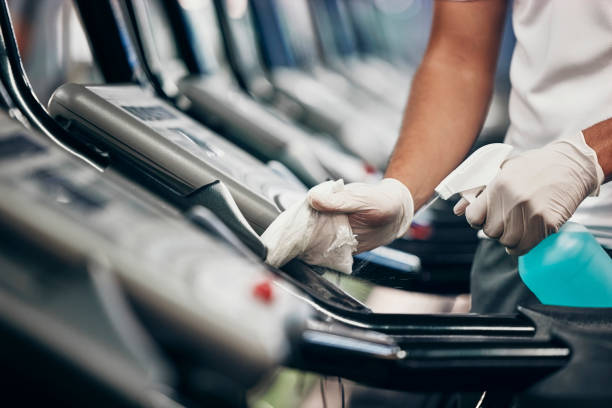
Locker rooms contain many bare-skin contact points. Benches, handles, controls, shower fixtures, and exercise gear collect soil quickly. The CDC advises athletic facilities to clean shared equipment after each use and let it dry. It recommends a daily focus on surfaces that come into contact with bare skin. CDC athletic-facility guidance supports those steps.
For cleaning high-touch gym surfaces, the plan should cover:
- The correct cleaner for each material
- Manufacturer care directions for equipment and finishes
- Full disinfectant contact time when disinfection is needed
- Drying before a surface returns to use
Good fitness center cleaning services should protect surfaces while removing soil. Damaged pads, cracked benches, and split mats can be hard to clean. The CDC advises repairing or discarding items that prevent proper cleaning. This helps managers know when cleaning has reached its limit.
Local Plans Should Match Traffic and Facility Layout
No two fitness sites use locker rooms the same way. Pools, school gyms, private clubs, and large recreation centers have different wet zones. Peak hours, locker count, and shower use change the work. Businesses comparing gym cleaning services in Albany, NY should request a walk-through before approving frequency. It can identify drains, flooring, grout, soft materials, waste points, and member paths. Reliable Janitorial provides janitorial cleaning services for commercial facilities. Our gym service can include entrances, workout zones, equipment areas, locker rooms, restrooms, and staff areas.
A Better Plan Uses Inspection Notes, Not Fragrance
A strong service plan explains what gets cleaned, how often, and by which method. It identifies products, contact times, safety steps, and special surfaces. It defines when staff must report a leak, a drain issue, a damaged finish, or a failed exhaust fan.
Managers can improve gym cleaning services by checking:
- Odor location, strength, time, and weather conditions
- Wet areas that remain damp after normal drying time
- Drain flow, trap condition, grout damage, and loose flooring
- Cleaning records, product labels, and member traffic patterns
OSHA requires workplaces to stay clean and, where practical, to keep floors dry. Wet processes need drainage or dry standing areas when practical. OSHA sanitation standards provide details. A related seasonal commercial cleaning plan can help gyms adjust care for humid summers, wet winters, and busy periods.
Stop Odor by Fixing the Cause
The answer to how to get rid of locker room smell is rarely one stronger product. The room needs soil removal, moisture control, drainage, airflow, and time to dry. Cleaning staff need clear duties, while building professionals handle leaks, plumbing faults, and ventilation failures. We offer gym cleaning services in New York for fitness and recreation facilities. A custom plan can match the site, schedule, traffic, and problem areas. It can cover detailed cleaning and sanitation for workout areas, equipment, locker rooms, restrooms, and staff spaces.
Managers should track where smells return and what conditions appear nearby. That record improves each service review. When the source is found, the plan can address it directly. The goal is not a covered odor. It is a cleaner room because soil and moisture respond appropriately. Call Reliable Janitorial at 518-224-0678 for a free quote in Rotterdam, NY 12306. Request a gym cleaning plan built around locker rooms, traffic, surfaces, drains, and daily operating hours.
Frequently Asked Questions
Why does a gym locker room still smell after regular cleaning?
Odor can remain when cleaning misses drains, grout, rubber flooring, wall bases, damp towels, or locker joints. Poor airflow may keep these areas wet. The smell can return as microbes break down organic matter. A full inspection should identify the source of the odor before changing products or increasing fragrance.
What are the most common sources of locker room odor?
Common sources include sweat, body oils, soap film, wet towels, waste bins, damp grout, rubber mats, and drain buildup. Leaks, dry drain traps, poor airflow, and damaged materials can intensify odors. The odor pattern, location, and timing can help staff find the likely source.
How can gyms remove odors instead of covering them with fragrance?
Staff should remove organic soil, clean drains with approved methods, dry wet surfaces, and improve air movement. They should report leaks, slow drains, and damaged finishes. Fragrance may change how a room smells for a short time. However, source removal offers a more useful long-term response.
How often should gym locker rooms receive deep cleaning?
Frequency depends on member traffic, shower use, moisture, flooring, and daily results. Busy locker rooms may need daily detail work plus deeper scheduled care. Managers should review inspection notes, odor reports, and surface condition. The plan should increase care where routine cleaning no longer controls buildup.
Can disinfectants remove odors from drains, grout, and wet floors?
Disinfectants kill listed germs when used according to their labels. They do not remove every odor source. Organic buildup may require cleaning before disinfection. A dry trap, a leak, damaged grout, or poor exhaust requires a different response. Products must match the surface and remain wet for the stated contact time.
What should Albany gyms include in a locker room cleaning plan?
Albany gyms should list showers, drains, floors, grout, benches, lockers, toilets, sinks, vents, and waste areas. The plan should set inspection times, daily tasks, deeper work, product rules, and clear reporting steps. It should reflect member traffic, operating hours, wet zones, and each surface type.
How can Schenectady fitness centers prevent locker room odors?
Schenectady fitness centers can prevent many odors by removing soil, emptying waste, cleaning drains, drying surfaces, and keeping exhaust systems working. Staff should record leaks, slow drains, damaged grout, and recurring smell zones. Cleaning frequency should rise when traffic, shower use, or indoor humidity increases.
