

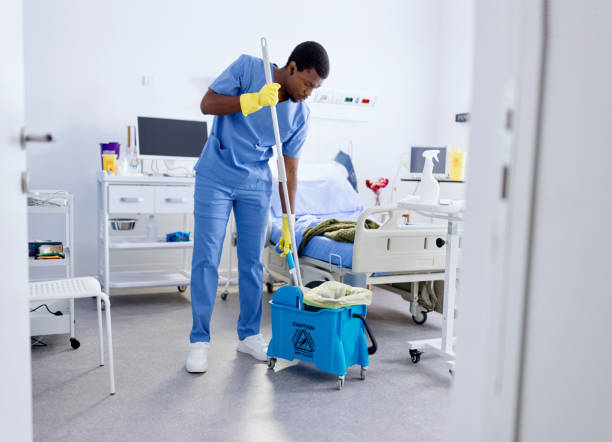
A hospital stay can shake any family. So, people look for signs that things are under control. The smell of disinfectant helps. Fresh sheets help too. Yet, what matters most is what families cannot see. Germs can travel fast. Therefore, hospitals rely on clear steps every day. Those steps live inside a hospital cleaning checklist. It guides staff, keeps routines steady, and reduces misses.
In addition, families want trust, not guesses. They want the room cleaned the same way each time. They also want clear rules for high-touch areas. That is why checklists matter. They support safer care, even on busy days. They also help staff work as one team. For local families, trusted hospital janitorial services in Waterville, NY can add confidence, because consistency shows up in small details. Meanwhile, a checklist makes those details repeatable.
Checklists Protect the People You Love
Families often think cleaning is simple. However, hospitals are not like homes. Patients may have weaker immune systems. So, a small mistake can matter. A checklist turns good cleaning into a trackable plan. It also supports infection prevention and control. That phrase sounds big, yet the goal is simple. Keep harmful germs away from patients.
Also, checklists help prevent cross-contamination. For example, staff should not wipe a bedside table, then a bathroom sink, with the same cloth. A checklist reminds them. It also supports proper disinfection steps. Contact times matter. So, the surface needs to stay wet long enough. In addition, teams use the right supplies for each room type. Most of all, checklists support patient safety standards. They reduce missed corners and rushed choices. Therefore, families can focus on healing, not worrying.
Why Hospital-Clean Needs Rules, Not Vibes
Hospitals never fully sleep. So, cleaning work happens around care. Nurses enter. Doctors round. Visitors come and go. Therefore, a checklist helps cleaning stay organized. It sets a sequence. It also sets what done means.
In many hospitals, rules align with guidance from the Centers for Disease Control and Prevention and the World Health Organization. These groups stress hygiene and infection control. Also, many workplaces follow safety basics tied to the Occupational Safety and Health Administration. That includes safe chemical handling and protective gear. In addition, product choices often connect to the Environmental Protection Agency guidelines for disinfectants.
Families may not read those rules. Still, they feel the result. A clear plan reduces surprises. It also improves handoff between shifts. So, the next cleaner knows what happened before. That steadiness builds trust.
When Local Trust Matters, Checklists Make It Visible
Families want proof that cleaning is real. So, they watch the basics. Is the bathroom wiped well? Are trash and linens handled safely? Are floors dry and safe? A checklist helps those signs show up daily. It also helps staff explain what they do. That can calm anxious visitors.
In addition, the checklist supports accountability. If a room needs extra attention, notes can follow. So, the next team can respond quickly. That matters in smaller communities, too. People talk. They share experiences. Therefore, when families notice the hospital works with experts for trusted hospital janitorial services in Waterville, NY, they feel more confident about the care environment.
Also, a checklist supports training. New staff learn the same order. Then, quality stays steady. Meanwhile, families feel cared for when the environment looks managed. Clean spaces signal respect. They also signal safety.
What a Strong Checklist Covers Every Single Shift
A good checklist covers more than wipe and mop. It lists zones, tools, and timing. It also adjusts for patient needs. For example, an isolation room needs different steps. So, checklists often include risk levels.
Here are the common checklist zones families care about:
- Bed rails, call buttons, and remote controls
- Door handles, light switches, and sink taps
- Bathroom fixtures, grab bars, and floors
- Visitor chairs, tray tables, and window ledges
- Waste bins, linen bags, and supply carts
Also, a checklist supports proper personal protective equipment use. Staff may need gloves, gowns, and masks. That helps protect patients and workers. In addition, checklists may include steps for sterilization support areas, like equipment staging zones. Because hospitals stay busy, these reminders prevent shortcuts. Therefore, families get safer spaces, even during rush hours.
A Quick Look at High-Touch Cleaning That Families Notice
Some areas spread germs faster. So, teams focus on high-touch points. This is also where checklists shine. They keep attention on the spots people forget.
Below is a simple table families can understand:
| Area | Why it matters | Checklist action |
| Bed rail and call button | Hands touch them all day | Clean, then disinfect with correct dwell time |
| Bathroom handle and faucet | Moisture helps germs linger | Scrub, rinse, then disinfect and dry |
| Visitor chair arms | Many people use them | Wipe between visits and at shift end |
| Floor near the bed | Drops and spills happen | Mop with approved solution and post a wet-floor sign |
Also, this work reduces the risk of Healthcare-Associated Infections (HAIs). Families may not see microbes. However, they can see patterns. Cleaned high-touch areas feel safer. Therefore, trust grows.
Tools that Support Better Cleaning Results
Good checklists work best with the right tools. So, hospitals pair steps with equipment. For example, HEPA Filtration helps remove small particles from the air. That supports cleaner rooms, especially during deep cleaning. Also, it can reduce dust that irritates the breathing. In addition, some facilities use electrostatic disinfection. It helps coat surfaces more evenly. That can be useful in busy areas. Still, it must follow the checklist. Technology does not replace good habits. It supports them.
Also, chemical safety matters. Staff should store products correctly. They should label bottles, too. Therefore, training remains important. Rules tied to the Occupational Safety and Health Administration help reduce worker exposure. Meanwhile, product selection often aligns with the Environmental Protection Agency registration process. When tools and checklists work together, cleaning becomes repeatable. So, families get more confidence. They also get fewer surprises during long stays.
Questions Families Can Ask Without Feeling Awkward
Families often want to speak up. However, they fear sounding rude. So, it helps to ask simple questions. A good hospital will welcome them. Clear answers also build trust.
Try these questions during a stay:
- “How often do you clean high-touch areas?”
- “What does your hospital cleaning checklist include for bathrooms?”
- “Do staff change clothes between zones to prevent cross-contamination?”
- “What personal protective equipment is used in this room type?”
- “How do you handle spills or body fluids right away?”
Also, families can ask for timing. For example, “When is the next cleaning round?” That helps planning. In addition, it sets shared expectations. If a room feels missed, a calm request can fix it fast. And if a facility works with experts for trusted hospital janitorial services in Waterville, NY, families can expect clear routines and steady results. That consistency helps everyone breathe easier.
Fewer Worries, Better Healing
A hospital room is more than a space. It is where families wait, sleep, and hope. So, cleaning affects emotions, too. When a room feels managed, stress drops. Then, rest can improve. Also, visitors may follow better habits. They wash their hands more. They keep clutter down. That makes cleaning easier.
Checklists support teamwork across departments. So, nurses and cleaners can coordinate. That reduces delays. It also helps protect vulnerable patients. In addition, strong routines support patient safety standards. That matters for every age group, from kids to seniors.
Even small wins help. A wiped call button matters. A fresh bathroom matters too. Therefore, the checklist is not just paperwork. It is a safety tool. It keeps care moving forward. Most of all, it helps families feel seen and protected during hard days.
A Final Note for Families Who Want Cleaner Answers
Families should not have to guess about safety. So, it helps when hospitals use clear checklists and share basics. Clean spaces reduce stress, and they support healing. When routines match guidance from the Centers for Disease Control and Prevention and the World Health Organization, trust grows. In addition, safe work practices linked to the Occupational Safety and Health Administration help protect staff and patients.
If a hospital room looks consistently cared for, that’s usually a sign the checklist is working. Watch the high-touch spots, like bed rails and call buttons. Also, notice bathroom upkeep and how trash and linens are handled. Contact Reliable Janitorial today. These small details can speak loudly.
FAQs
1) How often should a hospital room be cleaned?
Daily cleaning is common, and high-touch areas need frequent attention.
2) What is the biggest checklist benefit for families?
It keeps cleaning consistently, even when staff change shifts.
3) Do checklists really lower infection risk?
Yes, because they reduce missed steps that can lead to HAIs.
4) Should families ask about cleaning methods?
Yes, because respectful questions can improve response time and clarity.
5) What should visitors do to support cleanliness?
Wash hands often, reduce clutter, and report spills right away.
